Finding the Best Drawing References for Your Art Practice
See Da Vinci Eye in action in the video below.
You’ve probably been there. You find an amazing photo you want to draw, but when you start sketching, something’s off. The proportions don’t match, the angle feels weird, or you spend so much time trying to get the basic structure right that you lose momentum before you even get to the fun part.
The truth is, great drawing references make everything easier. They help you understand forms, practice new subjects, and build your skills faster. But finding the right references, organizing them, and actually using them effectively? That’s where most of us struggle.
Where to Find High-Quality Drawing References
The internet is full of images, but not all of them work well as drawing references. You need clear, well-lit photos with good composition and enough detail to study from.

Stock photo sites like Unsplash, Pexels, and Pixabay offer thousands of high-resolution images you can use legally. They’re great for landscapes, portraits, and everyday objects. The quality is usually excellent because they’re taken by skilled photographers.
Your own photos are even better in some ways. You already know the lighting conditions, the context, and you don’t have to worry about usage rights. Plus, taking your own reference photos helps you understand your subject before you even start drawing.
Life drawing sessions and figure drawing classes provide references you can’t get from photos. You see the three-dimensional form, the way light wraps around surfaces, and subtle details that cameras flatten out.
Taking Your Own Reference Photos
When you shoot your own references, you control everything. That’s powerful, especially when you’re working on a specific project or trying to capture a particular mood.

Natural light gives you the most accurate colors and shadows. Try shooting near windows or outside during golden hour, early morning or late afternoon. Harsh midday sun creates strong shadows that can be tricky to work with unless that’s the effect you want.
Take multiple angles of the same subject. Walk around it, get close, step back. You’ll often find that the angle you thought would work isn’t as interesting as one you hadn’t considered. Having options means you can choose the best composition later.
For pets and animals, patience is everything. The video shows an artist painting a dog portrait, and anyone who’s tried to photograph animals knows they don’t stay still. Take lots of photos during calm moments, like when they’re resting or focused on something.
Organizing Your Reference Library
You can have thousands of great references, but if you can’t find them when you need them, they’re useless. A simple organization system saves you hours of frustration.

Create folders by subject: portraits, hands, animals, landscapes, architecture, whatever you draw most. Within those, you can break it down further. For example, your “animals” folder might have subfolders for dogs, cats, birds, and wildlife.
Artists like those using Pinterest or Eagle organize visual references effectively. Pinterest lets you create boards and save images from anywhere online. Eagle is designed specifically for reference management and lets you tag images with keywords, making searches faster.
Name your files descriptively. Instead of “IMG_1234.jpg”, use something like “golden_retriever_sitting_side_view.jpg”. Future you will thank present you when you’re searching for that specific pose.
Using References Without Copying
References should inform your work, not dictate it. The goal is to understand what you’re drawing, not to create a photocopy.

Study the reference first before you draw. Look at the proportions, the way light creates form, the details that make the subject recognizable. Understanding comes before doing.
Artists trace the basic structure to get proportions right, then develop the details freehand. This isn’t about avoiding the work, it’s about focusing your energy where it matters most. Getting the outline accurate with Da Vinci Eye means you can spend more time on shading, texture, and expression.
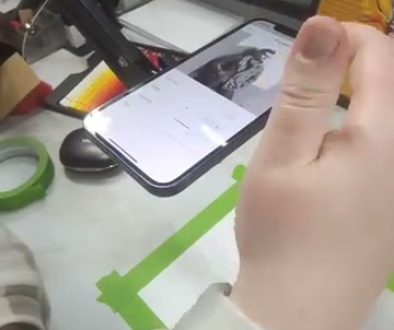
The app overlays your reference image onto your drawing surface through your phone’s camera. You can adjust the size, opacity, and position to match your paper or canvas by dragging and pinching. It’s particularly helpful for complex subjects like animals, where getting the proportions right makes the difference between “that’s a dog” and “that’s YOUR dog”.
Choosing References That Match Your Skill Level
Not every reference is right for every stage of your learning. Picking images that challenge you without overwhelming you keeps you motivated and progressing.
Beginners benefit from clear, simple subjects with obvious shapes. A single object with clear lighting teaches you about form and shadow without too many competing details. Think fruit, simple still life arrangements, or portraits with straightforward lighting.
As you improve, look for references with more complexity. Multiple light sources, intricate textures, overlapping forms, these elements push your skills forward. But add complexity gradually, one new challenge at a time.
Sometimes the best reference is one that excites you, even if it’s technically difficult. Your enthusiasm carries you through the struggle. That’s why the artist in the video paints their own pets, the emotional connection makes the effort worthwhile.
Common Mistakes When Using Drawing References
Even with great references, it’s easy to fall into habits that slow your progress. Here’s what to watch out for.
Relying on one reference for everything creates blind spots. If you always draw from the same angle or in the same lighting, you only learn that specific scenario. Mix it up. Draw the same subject from different angles, in different lighting, at different times.
Not adjusting for your medium is another common issue. A photo reference might have tiny details that work in a photograph but get muddy in watercolor. Think about how your chosen medium handles detail and simplify accordingly.
Forgetting to check proportions as you work leads to drawings that look “off” even when individual parts look good. Step back regularly or take photos of your work in progress. Fresh eyes catch proportion problems your focused working brain misses.
Skipping references altogether because you want to “draw from imagination” actually slows your progress. Even experienced artists use references. They’ve just internalized so many visual patterns that they need fewer of them. References teach you those patterns.
Building a Reference Practice That Works
The artists who improve fastest treat reference gathering as part of their practice, not something separate from it. It becomes a habit like sketching or practicing techniques.
Set aside time each week to collect references. Twenty minutes browsing stock photo sites or taking photos around your neighborhood builds your library without feeling overwhelming. Do it consistently and you’ll always have material to work with.
Keep a “draw this” folder separate from your main reference library. When you find an image that really speaks to you, put it there. On days when you don’t know what to draw, you’ve got a curated collection of inspiring subjects waiting.
Review your old references periodically. Images that seemed too difficult six months ago might be perfect for your current skill level. Your reference library grows with you, offering new challenges as you’re ready for them.
The artist in the video has clearly found a system that works for them. They’re comfortable enough with drawing references to focus on what they love, painting their pets in watercolor. The technical foundation is there, so they can concentrate on color, expression, and capturing personality.
That’s what good reference use looks like. Not struggling with basic proportions, not second-guessing every measurement, just drawing with confidence because you’ve set yourself up for success.
Start drawing with Da Vinci Eye