What ‘Trace’ Means in Art: From Renaissance Masters to Modern Apps
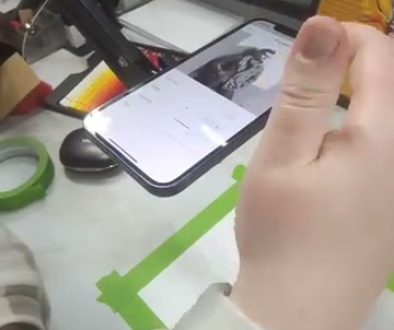
See Da Vinci Eye in action in the video below.
When you hear the word “trace” in art circles, it might conjure up images of tracing paper over coloring books or worried questions about whether it’s a legitimate technique. But tracing has a longer, more interesting history than most people realize. From Renaissance masters peering through camera obscuras to modern artists using augmented reality apps, the methods for transferring and studying images have evolved while the core purpose remains the same: understanding form, proportion, and light.
How Renaissance Artists Used Tracing Tools
The camera obscura, a darkened room or box that projects an image through a small hole, became an essential tool for artists in the 15th and 16th centuries. Artists could trace the projected image directly onto their canvas, capturing accurate perspective and proportions that were difficult to achieve by eye alone.

Vermeer likely used a camera obscura for his incredibly detailed interior scenes. The precise perspective and lighting in paintings like “The Music Lesson” suggest he traced the basic composition before adding his characteristic touches. This wasn’t seen as taking a shortcut, it was using available technology to solve technical problems so he could focus on what made his work distinctive.
The camera lucida came later, in the early 1800s. This optical device used prisms and mirrors to superimpose a reference image onto your drawing surface. You’d look down through the eyepiece and see both your paper and the scene you wanted to draw overlaid together, making it easier to trace the basic shapes and proportions.
What It Actually Means to Trace in Art
To trace means to follow the outline or form of an image using a reference positioned above, below, or overlaid on your drawing surface. The technical definition is simple, but what tracing accomplishes is more nuanced than just copying lines.

When you trace, you’re training your hand and eye to recognize relationships between shapes. You notice how the curve of a cheekbone relates to the angle of a jaw. You see how shadows create depth and how small adjustments in line weight change the entire feeling of a form.
Think of tracing like using training wheels when learning to ride a bike. The training wheels don’t ride the bike for you, they give you stability while you develop balance and confidence. Similarly, tracing gives you a framework while you develop your observational skills and hand control.
Traditional Tracing Methods Artists Still Use
Transfer paper remains popular because it’s straightforward and works on almost any surface. You place the transfer paper between your reference and your final surface, then draw over the lines you want to transfer. The pressure creates marks on your canvas or paper below.

The grid method doesn’t involve physical tracing but serves the same purpose. You draw a grid over your reference image and a corresponding grid on your drawing surface. Then you transfer what you see in each square of the reference to the matching square on your paper. This helps you break down complex images into manageable sections and maintain accurate proportions.
Light boxes have been studio staples for decades. You place your reference on the illuminated surface, put your drawing paper on top, and the light shining through makes the reference visible so you can trace it. They’re especially useful for refining sketches or transferring detailed line work.
Projectors take the camera obscura concept and make it more convenient. You project your reference image onto your drawing surface and trace it directly. Muralists and artists working on large canvases often use this method to establish their initial composition before adding details and personal touches.
How Augmented Reality Changed Tracing
AR technology does what camera obscuras and camera lucidas did, but without the bulky equipment or setup time. Apps like Da Vinci Eye use your phone or tablet camera to overlay a reference image directly onto your drawing surface in real time.

You position your device so the camera faces your paper or canvas. The app displays your reference image overlaid on the live camera view, letting you see both your drawing surface and the reference simultaneously. You can adjust the opacity by dragging the slider, resize and reposition the image by pinching and dragging, and zoom into specific areas for detailed work.
This approach gives you the portability that historical tracing tools lacked. Your phone goes everywhere you do, which means you can practice tracing and studying proportions anywhere, whether you’re working in a coffee shop, at a park, or just prefer drawing away from your usual workspace.
The ability to adjust opacity in real time helps you transition from heavy reliance on the reference to working more independently. You might start a drawing session with the reference at full opacity, then gradually reduce it as you become more confident with the proportions. This creates a natural progression from guided practice to independent drawing.
Why Modern Artists Trace
Proportion accuracy is one of the main reasons artists turn to tracing. Getting the relative sizes and positions of features correct makes the difference between a drawing that looks right and one that feels off. When you’re learning, tracing helps you see these relationships more clearly than trying to measure everything by eye.
Artists working in illustration and commercial art often trace to save time on preliminary work. If you need to create multiple versions of a character in different poses or settings, tracing your basic character structure ensures consistency. You’re not recreating the wheel each time, you’re building on a solid foundation.
Studying master works through tracing reveals techniques that aren’t obvious when you just look at finished pieces. When you trace the contours of a Rembrandt portrait or the dynamic lines of a Klimt figure, you feel how the artist constructed the image. Your hand follows their decisions about line weight, curve intensity, and compositional flow.
Artists with physical limitations find tracing tools especially valuable. Conditions affecting hand steadiness, vision, or motor control can make freehand drawing frustrating. Tracing provides structure and support that makes drawing accessible when it might otherwise feel impossible.
Common Questions About Tracing in Your Practice
Should you trace every drawing? Not necessarily. Tracing works best as a learning tool and a way to establish accurate proportions quickly. Once you’ve traced enough faces, hands, or figures, you’ll internalize those proportions and need the reference less.
The key is being honest about what you’re learning. If you trace an eye and never pay attention to how the upper lid curves differently from the lower lid, you won’t improve. But if you trace while actively noticing these relationships, you’re building skills that transfer to freehand work.
Will tracing prevent you from developing your own style? Your style comes from the choices you make about line quality, shading techniques, color palette, and subject interpretation. Tracing handles the basic structure, but everything else is up to you. Two artists can trace the same reference and create completely different finished pieces based on their individual approaches.
Using Da Vinci Eye or similar tools doesn’t mean you’ll always need them. Artists typically use tracing heavily at first, then gradually rely on it less as their confidence grows. You might still use it for complex poses or when you need to work quickly, but you’ll also find yourself comfortable drawing more things freehand.
Tips for Getting the Most From Tracing Practice
Focus on different elements in each tracing session. One session might emphasize overall proportions while another focuses on how light and shadow create form. This targeted practice builds well-rounded skills rather than just mechanical line following.
Don’t trace and move on immediately. After you trace the basic structure, continue the drawing without the reference overlay. Add shading, refine details, and make artistic choices that reflect your vision. This combination of guided start and independent finish develops both accuracy and creativity.
Try reducing the reference opacity gradually as you work. Start with it clearly visible to establish proportions, then lower it as you add details. This weaning process trains you to work more independently while still having the reference available if you need to check something.
Keep examples of your traced work over time. You’ll notice patterns in what you struggle with and what becomes easier. Maybe hand proportions were initially difficult but now feel natural, while facial angles still need more practice. These insights help you focus future practice sessions.
Experiment with different reference types. Trace photographs, trace master paintings, trace life subjects when possible. Each type of reference teaches something different about form, light, and composition. Variety in your practice creates well-rounded skills.
Start drawing with Da Vinci Eye