Drawing Paper Selection: How Surface Texture Affects Your Art
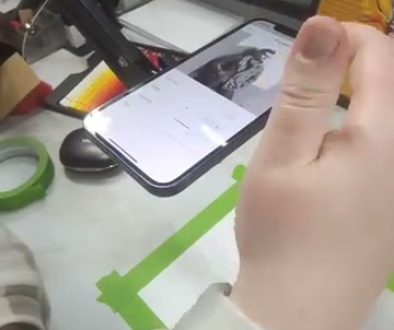
See Da Vinci Eye in action in the video below.
You’ve found the perfect reference photo, grabbed your favorite pencils, and you’re ready to draw. But the paper you’re working on seems to fight every stroke. The tooth is either too smooth or too rough, your colors won’t blend the way you want, and suddenly you’re wondering if the problem isn’t your technique but your drawing paper choice.
Choosing the right drawing paper isn’t just about grabbing whatever’s available at the art store. The surface texture, weight, and quality of your sheet directly affect how your medium behaves, how your colors blend, and whether your finished piece will last for years or fade away. The surface texture, weight, and composition matter more than most artists realize when selecting the right sheet for your specific style and medium.
Understanding Paper Tooth and Surface Texture
Paper tooth refers to the texture of the paper’s surface, and it’s one of the most important factors in how your drawing will turn out. Think of tooth as tiny peaks and valleys on the sheet that grab and hold your drawing medium.

Smooth paper, sometimes called hot-pressed or plate finish, has very little tooth. It’s ideal for detailed pen and ink work, fine graphite drawings, and anything requiring precise lines. The downside is that it doesn’t hold much pigment, so layering colored pencils or pastels can be frustrating.
Medium tooth paper, known as cold-pressed, is the most versatile option. It has enough texture to hold pigment for colored pencils and graphite while still allowing for decent detail work. This is what most artists reach for when they’re working on general sketches or mixed-media pieces.
Rough or heavy tooth paper grabs a lot of pigment and is excellent for charcoal, pastels, and heavy colored pencil application. The trade-off is that fine details become harder to achieve because the texture dominates the surface.
Paper Weight and Why It Matters
Paper weight is measured in pounds (lb) or grams per square meter (gsm), and it tells you how thick and sturdy the sheet is. Heavier paper can handle more abuse, layering, and erasing without buckling or tearing.

Lightweight paper around 50-70 lb or 75-115 gsm is what you’ll find in most budget sketchbooks. It’s fine for quick sketches and practice work, but it buckles easily with wet media and can’t handle heavy erasing or multiple layers.
Medium weight paper at 80-100 lb or 130-160 gsm strikes a good balance for most dry media work. It can handle colored pencils, graphite, and light marker work without warping. This is the sweet spot for everyday drawing.
Heavyweight paper at 140 lb or 300 gsm and up is what you want for finished pieces or anything involving wet media. It stays flat, handles erasing well, and can support multiple layers of pigment without deteriorating.
Archival Quality and Acid-Free Paper
If you’re creating art you want to last, archival quality matters more than you might think. The main thing to look for is acid-free paper, which won’t yellow, become brittle, or deteriorate over time.

Paper with high lignin content, the stuff that makes paper acidic, will break down and discolor within years, especially when exposed to light. You’ve probably seen this in old newspapers that turn yellow and crumbly. You don’t want that happening to your artwork.
Cotton rag paper is the gold standard for archival work. It’s naturally acid-free and incredibly durable, which is why museums use it for important pieces. It requires a larger investment, but if you’re working on commissions or pieces for exhibition, it’s worth the choice.
For practice work and studies, you don’t need archival-quality sheets. Save the better materials for pieces that matter, and use student-grade paper for building your skills and working out ideas.
Matching Paper to Your Medium
Different drawing media need different paper characteristics to perform their best. Using the wrong combination can make even the best techniques fall flat.

Graphite pencils work on almost any paper, but smooth to medium tooth gives you the most control. If you’re doing highly detailed graphite work, go smoother. For expressive sketching with softer graphite, a bit more texture helps the pigment stick.
Colored pencils need enough tooth to hold multiple layers of pigment. Medium to rough surfaces work best, and you’ll want something at least 80 lb to handle the pressure and layering. When you’re building up colors and blending, the substrate needs to hold onto that pigment without becoming oversaturated.
Charcoal and pastels require rough, toothy surfaces to grab the powder. Smooth sheets just won’t hold these media well, and you’ll end up with pigment sliding around and poor adhesion. Look for sheets specifically labeled for charcoal or pastel work.
Pen and ink performs best on smooth, slightly absorbent surfaces. Too much texture and your lines will be scratchy and inconsistent. The sheet should let the ink flow without feathering or bleeding through to the other side.
How Paper Color Affects Your Drawing
Most artists default to white paper, but colored and toned options open up interesting possibilities for your work. The paper color becomes part of your composition and can save you time on backgrounds.
White paper gives you the brightest highlights and the most contrast range. It’s the standard for a reason, especially when you’re photographing or scanning your work for prints or online sharing.
Toned paper in grays, tans, and warm neutrals lets you work with both lights and darks from a middle value. You can add white highlights and dark shadows, building dimension faster than on white surfaces. This is especially popular for figure drawing and portraiture.
Colored paper can set a mood or save time on backgrounds. A warm cream sheet might be perfect for vintage-style portraits, while a cool gray works well for moody or atmospheric pieces. Just remember that your colors will look different on tinted surfaces compared to white.
Testing Paper Before Committing to a Finished Piece
Before you start a serious drawing on unfamiliar paper, it’s worth doing a small test. Grab a corner or separate sheet of the same material and try out your planned techniques.
Test how your medium layers and blends on the surface. Some sheets that look similar can behave very differently. Push the paper a bit, see how much erasing it can handle, and check if the tooth fills up quickly or keeps accepting pigment.
When I’m working on animal portraits like the puppy drawing in the video, I’ll often do a small study of the fur texture on scrap material first. This helps me figure out what pressure and strokes work best with that particular paper and pencil combination. Using Da Vinci Eye for these studies lets me nail the proportions quickly so I can focus on understanding how the surface handles.
Pay attention to how the sheet feels under your hand too. Some papers have a coating that feels slippery or waxy, while others have a pleasant drag that gives you more control. Your comfort with the surface matters just as much as technical performance.
Common Paper Selection Mistakes
One of the biggest mistakes is buying paper that’s too smooth for your medium. Artists see that beautiful bright white bristol board and think it’ll be perfect for colored pencils, then get frustrated when the pigment won’t stick or blend properly.
Another common issue is using paper that’s too lightweight for the amount of layering you want to do. If you’re planning to build up rich colors or do heavy shading, thin sheets will buckle and pill under that pressure. It’s better to start with heavier options than to fight with inadequate surfaces halfway through a drawing.
Don’t assume expensive always means better for your needs. Some beautiful handmade papers have characteristics that make them terrible for detailed pencil work. Focus on what your specific medium and style require rather than brand prestige.
Finally, artists often stick with one type of paper for everything because it’s what they know. Branch out and try samples of different surfaces. You might discover that a slightly different tooth or weight transforms how your work looks and how much you enjoy the drawing process.
Start drawing with Da Vinci Eye